Why We Raise Our Kids Without Phones and With Almost No Screens
People ask me all the time why our kids do not have phones or tablets. The short answer is that I have watched what those devices do to attention, critical thinking, and the ability to sit with discomfort. I refuse to hand that problem to my children.
Source post: https://x.com/JacobCanfield/status/2020158771322929385
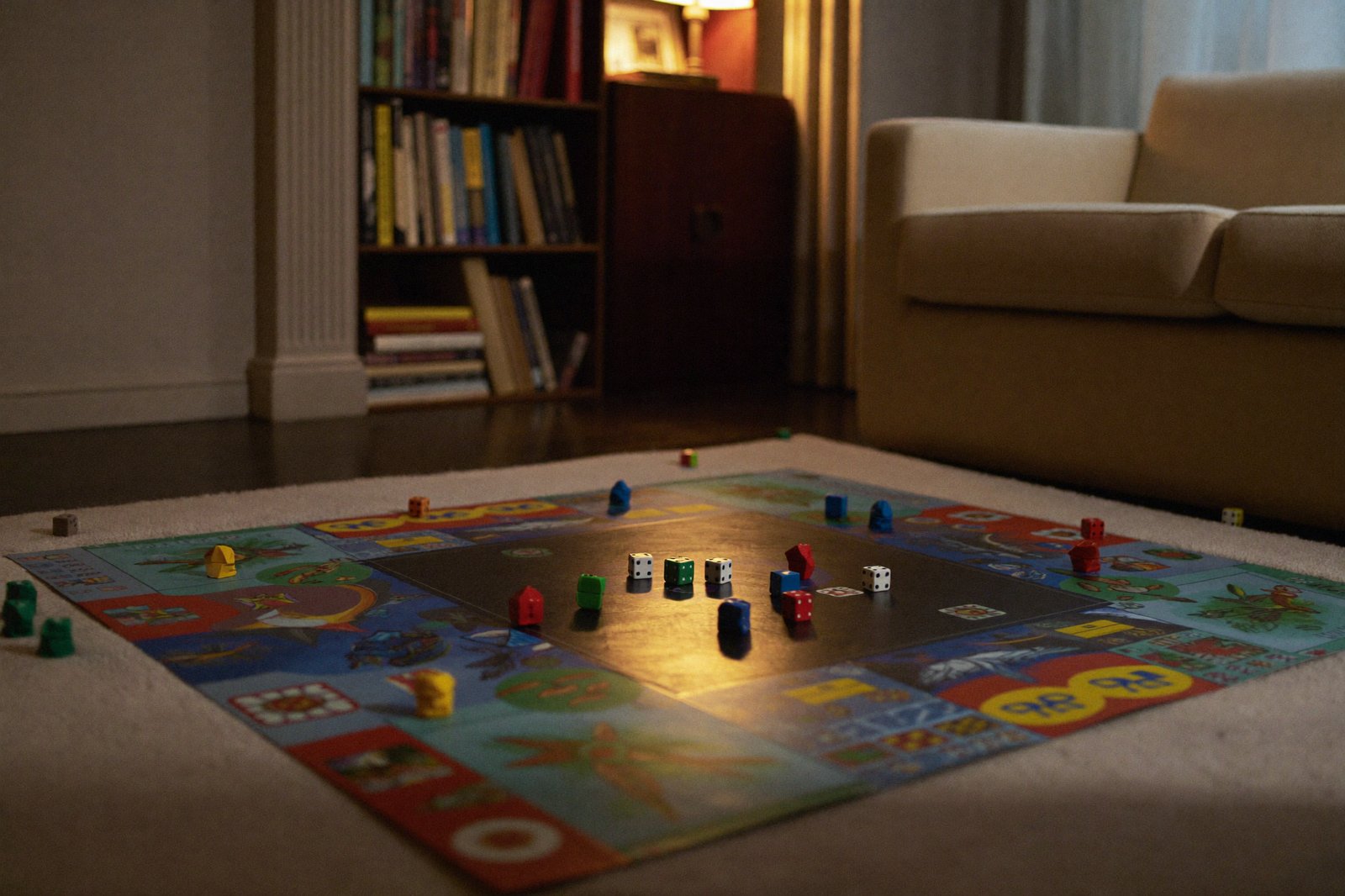
We have four kids ranging from young to teenagers. The rules are simple and firm. No social media until 18. Very limited or no screen time before age three. After that, limited time and only low stimulation shows. No sugar except special occasions. Organic food as the default. Limited processed food. Strong boundaries when they are young. Never react to tantrums. Wait until they are finished and then talk. Rarely raise my voice. Talk to them with respect. Montessori style early. Board games. Sports. Park almost every day. Read every night. Make them earn things through chores. Tell the truth even when it costs something. Home is the safe place. Friends can sleep over here after a certain age, but we are careful about sleepovers at other houses.
This is not theory. This is what we actually do. The goal is to raise kids who can think, who can handle boredom, who can solve problems without a screen telling them the answer, and who do not need constant external stimulation to feel okay.
I have seen too many kids turn into what I call brainwashed zombies. Constant content. Short attention. Anxiety that did not exist at that level when I was growing up. Public executions and political rage on their feed at seventeen. That is not childhood. That is early burnout.
The research on this is clear and getting clearer every year. High scene change shows and endless scrolling rewire dopamine. Kids who grow up with it have a harder time with deep work, with reading, with sitting still long enough to figure something out. I want my kids to be able to sit with a hard problem and work it until it breaks. That skill is worth more than any app.
We also treat food the same way. No sugar as the default. Organic when possible. The body is the foundation for the mind. If the blood sugar is constantly spiked and crashed, the mood and focus follow. I learned this treating patients for years. The same principles apply at home.
Boundaries are the other half. When they are young you hold the line without emotional reactivity. That sets the tone for everything later. You say no and you mean it. You do not negotiate with a three year old having a tantrum. You wait. Then you connect. That is leadership, not soft parenting and not harsh parenting. Just calm, consistent leadership.
I am not perfect at this. No parent is. But the direction is clear. Protect their attention. Protect their ability to think. Protect their nervous systems. Give them real experiences instead of digital ones. The world will try to sell them the opposite every single day. Our job is to make the real world more interesting than the screen.
If you are starting late, start where you are. Remove the devices from the bedroom. Set hard time limits. Replace screen time with board games or outside time. Model it yourself. Kids watch what you do more than what you say.
This is one of the highest leverage decisions you will make as a parent. Get it right and everything else gets easier. Get it wrong and you spend years trying to undo the damage.
One email a week. No fluff.
The best of the daily articles, plus what I am seeing across 20+ DTC ad accounts. The only channel no platform can take away.
Subscribe free →